Air Duct Cleaning – Why It’s Important For Las Vegas Homes & Businesses
In Las Vegas, NV, lots and lots of homeowners and real estate investors are renovating their houses in today’s market. There are thousands of people moving to the city every year, and as it gets bigger, homes get more expensive; and in turn, prices increase for home improvement services and materials.
In desert areas like Las Vegas or other cities in Southern NV, Utah, Arizona, etc., air quality goes way down. This is because of all the sand and dust in the air that blows around in the strong winds these geographical locations tend to have. With that in mind, people are breathing in dust, sand and debris on a daily basis! Nasty right? Sounds like it would be irritable to breathe in dirty air like that. But the fact is that people get used to it and don’t even realize what’s happening to their health because of it.
Well, that’s where this article comes in handy. To all of our investor and home renovators readers, we have news for you: This problem is being publicized in local newspapers, magazines, and health articles more and more ever since COVID happened. That means to stay ahead of the curve and keep your families, customers, and tenants happy; you need a solution. We’re here to share with you what you can do in 2022-2023 as this in-demand service gets hotter and hotter.
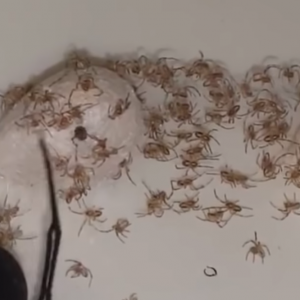
In Las Vegas air duct cleaning is a necessary service where certified professionals enter a house or commercial building with a very large vacuum and cleaning equipment; and they clean out all the dust and debris lurking in the air ducts. You’d be surprised how much dirt gets in these ducts, we even have some photos to show you below to give you an idea. For those that have never heard of an air duct, these are big square tunnels made of sheet metal that push air throughout a building or house. They pass through the AC and heating units, and there are filters connected in between as well as vents you can see in your walls and ceilings in most homes in Las Vegas and throughout the United States.
Air Quality Awareness Since COVID-19
These maintenance services do very well in regards to having a sustainable home to live in. Whether it’s for yourself or for your tenants, people actually have health benefits and it increases the property value of your home. Especially when the person about to live in it knows that you maintain the home with clean air systems. Ever since COVID-19, people have been more and more looking to increase the quality of the air in their homes.
With air purification devices in high demand and out of stock in lots of department stores in Las Vegas, NV, this leaves most homeowners and tenants valuing services such as air duct cleaning. When the air ducts throughout a home are cleaned out, people living there feel safer from unwanted pathogens. Polluted air is never something that’s wanted by anyone at anytime. For families, parents don’t want to know that their own kids are breathing in harmful bacteria and pollutants.
The air quality awareness has picked up drastically ever since the COVID-19 pandemic happened. Here’s a Google Trend graph for the past 5 years showing the increases in people searching for the term “indoor air quality” from 2017-2022:
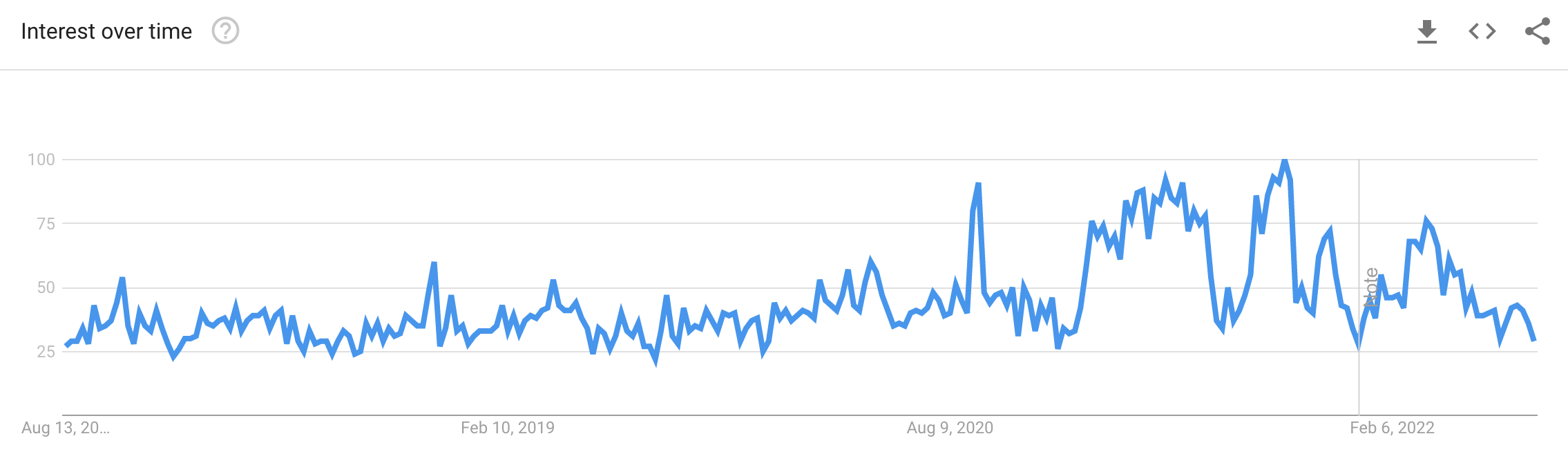
“Indoor air quality” search term data from Google Trends; graph showing search increases over time within the past 5 years (2017-2022).
That Graph tells us a lot about the market for indoor air quality control services, such as air duct cleaning. In fact – in Nevada, air duct cleaning services have gotten in such high demand in the recent years. Local companies offering the service have been doing very well in this market. They’ve been filling in the need that the pandemic has created more of.
Why Should We Clean The Air Ducts In Our Own Homes?
That being said, it’s a great investment to hire these services out or to buy equipment to do it yourself; that is – if you own multiple units, multi-family homes, or multiple investment properties in general. Having a person or company handy to routinely maintain your home or properties is an ideal thing to do, and the market calls for it. The investment into a local air cleaning service just makes sense as you’ll have a happier tenant. If there wasn’t much more value that we see in our own home and wonderful feedback from our tenants – we wouldn’t even bring it up on our blog or to our RE investor friends.
To finish up our air duct cleaning topic today, we’ll talk about some of the health benefits. Cleaner air means that people exposed to the air will not have as much allergies and other toxins breathed into their lungs. When dust and dirt is inhaled, inflammation happens. Most people don’t think about that, but the dust creates a buildup of inflammation in our bodies. It also increases allergic reactions such as sneezing, rashes, eye irritation, nose itchiness, and more. Even if you’re not investing in air duct cleaning for Las Vegas tenants or hotel guests; we believe it is worth getting your air ducts cleaned out even for your own home for the health of your loved ones.
 We see more millennials hiring us for solar screens now than the average Vegas resident. This is because they typically don’t want to be spending their own precious time installing things themselves. There hasn’t been a time that we had more customers wanting to “pay an expert” to do things more so than now. Times have changed, and people are now becoming more and more

 Rehabbing a house is one thing that has to be done to increase the value of the property. It’s a whole other thing to sell that property to someone, let alone in a quick manner. Experts have said that realtors sell homes in an average of 6 months. That’s no where near what’s considered to be fast. Selling a house fast is probably within a week’s time.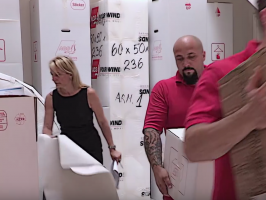
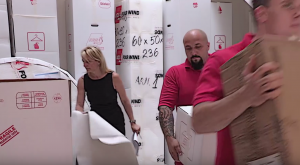 inesses who care. If they offer to move you for free, they must care. Usually these types of movers do the job for free because they have other incentives to get you to pay for a different service or to give them referrals. We have a company we recommend that will move you for free in St George, UT. This company came highly recommended to us and we highly recommend them. If you’re not in St. George, there are definitely businesses near you that do something similar.